Homemade Homestead DRINKS & BREWS & REFRESHMENTS

There are a surprising number of natural things to drink on a remote homestead, and they of course vary based on the natural plants & trees native to the area you are in.


1. Teas - are generally any edible plant material that is steeped in water, and can be drank hot or cold.

Trees commonly used for refreshing drinks include, but are not  limited to:
                      
a. PINE - Needles made into a tea makes a drink high in Vitamin C and        helps fight scurvy.
b. BIRCH - Sweet drinkable sap, can be made into syrup, sugar, sweet tea, and beer.
c. SASSAFRAS ROOT - Makes a sasparilla sassafras tea
d. MAPLE - Sweet drinkable sap, can be made into syrup or sugar or sweet tea
e. STAGHORN SUMAC - the red spire seed pods are steeped into a lemonade drink

Plants commonly used for drinks include, but not limited to:
a. MINT - Found in moist areas
b. JUNIPER BERRIES - give drinks a "gin" flavor
c. RASPBERRY LEAVES - This tea helps with female menstrual cramps
d. ROSEHIPS - Are steeped into a tea also high in vitamin C


2. Coffees - are generally made from roasting things in combination to make custom coffee flavors.

Grains, nuts, seeds, roots are usually roasted in an oven or over a fire and then ground and then brewed.

Things commonly used for coffee include but are not limited to:
a. CHICKORY ROOTS
b. CEREAL GRAINS - wheat, oats, barely
c. BEECH NUTS
d. PINE NUTS
e. DANDELION ROOTS


3. Juices - are generally made from locally available fruits. In the north, these include but are not limited to:
a. CRANBERRIES
b. GRAPES
c. BLACKBERRIES
d. RED RASPBERRIES
e. BLUEBERRIES
f.  APPLES
g. MULBERRIES
h. STRAWBERRIES
             I boil fruit with a bit of sugar to taste into a concentrate, I filter the juice through a t-shirt to remove the pulp and then I "can" it into jars. Later I use these concentrates mixed with water when I serve them as glasses of juice. They make wonderful cocktail juices.


4. Wines - are made by fermenting the fruit juice with yeast. A balloon can be fastened over a jug and about 1 teaspoon of bread yeast or wine yeast (old-timers used a bit of sour dough starter, which does produce wine albeit a bit cloudy) in 1 to 5 gallons of juice. Fasten the large heavy duty balloon on top of jug secure with string, tape or zip strip . When the balloon deflates in about 2 to 4 weeks your wine is done. It must be bottled quickly without alot of air exposure or it could turn to vinegar. (Which is not a total loss as the vinegar can be used for cleaning or cooking, pickling etc.) The alcohol content in homemade wine is usually 9-12%


5. Beers - this is easily made Alaska bush style by buying hops flavored malt in a large can and mixing with water to make 5 gallons.Heat, then cool, Add the yeast at about 105 degrees f and an airlock or a balloon as above and wait for fermentation to stop and the balloon to deflate or the airlock to stop bubbling. Beer is temperature sensitive and ferments best around 45 degrees fahrenheit so makes a good springtime endeavor for those who do not have thermostat heat. 

Attention:
****As with any food related suggestion make sure you use proper identification methods for identifying plants, please be aware of possible food allergies, and risks involved in canning, preserving, and brewing. Local laws could prohibit some of these activities in your local, so please check your ordinances.****


WILDERNESS LIVING ,TAKES TIME! No Worries, No Hurries!


            One of the hardest things to get used to in wilderness living on a remote homestead ... is how long everything takes! As a people, we humans in the developed countries have become so accustomed to having instant gratification!  Our automated world is literally at our fingertips! From instant entertainment, to instant food, to instant money. Our desires are fulfilled without hesitation. 

NOT SO on a remote homestead!  EVERYTHING TAKES LONGER!

STEP 1
Let's take morning coffee or tea for instance... There's no expresso machine!
You get up, get dressed including your coat,boots, hat and gloves and go out to fetch some stove wood (which hopefully is already cut otherwise you have to do that too).  You come in and take off all your snowy gear. Drop the wood next to the stove, fetch the matches and firestarter (paper, kindling, firestarter cheat sticks) put the firestarter and wood into the stove, light it and squat there on the cold floor in a cold cabin blowing on the little flame to coax it to life.  Once there is a reliable flame you close the door, adjust the damper, and fetch water - that's the interesting part... its usually frozen. So you put the ice in the pot and WAIT for it to melt, then you WAIT for it to boil.
When the water finally gets hot enough your real coffee starts to percolate, or, if you're impatient like me, you pour the hot water into a cup of instant coffee. This whole scenario just to get that first cup of coffee takes up the first hour of your day!

This whole project happens over again if you leave your cabin long enough for the fire to burn out and allows the cabin to get cold.  So when you get home, you start from scratch with a new fire and there is no instant heat like with a thermostat electric or gas heat. It takes a long time for the wood stove to reheat the walls, floors, furniture and air inside the cabin. Patience is definitely in order there!

Cooking... Most rustic cabin living does not include microwaves!  There are no TV dinners, or store bought bread. A quick sandwich means going through step 1  then instead of heating coffee water you will either fry bread, bake biscuits, or begin a batch of sourdough yeast bread which adds a couple hours time to the chore to accommodate the bread "rising" before baking. As for meals, canned meats can really speed up the process as the meats are already pre-cooked and just need reheating, so I pressure can grouse, fish, venison etc. for various meals. Otherwise the meat has to be brought in and thawed out then sliced or ground up then fried, baked or boiled along with veggies, beans, potatoes, or rice until tender and soft. How long that takes depends on how hot your stove is. Often times baking a cake can take 2 or more hours if the oven temp is only 200* f. 

Laundry... well, that could take a long time just to type all that is involved but its already been well said by another blogger and she really hit the nail on the head.... check it out on her blog...SWEET HOME ALASKA (<=click)  http://remotealaska.blogspot.com/2010/06/doing-laundry.html

She says it so perfectly that she deserves full credit, and I couldnt have said it better! I do my laundry the same way except I wring out the clothes through a wringer attachment on my washing machine and hers spins them but takes time both ways, this job takes 2-3 hours and a little longer if you have to carry the water in 5 gallon pails any amount of distance.

If you want to take a shower or bath, you do not just "turn on" a faucet and jump in.  You have to follow step 1 above then fetch the water, heat the water  in quantities sufficient for the shower or bath which takes a couple of hours, "not super fast" like heating a pot of coffee water, but big pans and pots of water. It takes alot of wood to keep the fire going hot and steady, so there is the constant feeding of the stove in there as well!  Then you hook up whatever shower apparatus you have for your cabin, (there are many) either gravity fed which involves transferring the water from the stove to a container high above the shower unit, or a pressure sprayer then pump to pressurize, then shower some then pump some more etc etc., or the electric showers offered by Cabela's and similar stores, but that method involves having gas or solar or generator which must be turned on in addition to heating water... So, you see after all that work to get the shower ready, you are sweaty and definately in need of one!

One of the characteristics wilderness living will develop in you is PATIENCE! Some native tribes had wise elders who knew from long living this wilderness lifestyle that "IT TAKES AS LONG AS IT TAKES!" There is no hurrying in the wilderness. Hurrying causes carelessness which causes injury or death. The key to living in the wilderness is to live intentionally, with care and thought put into every action.


WILDERNESS LIVING - Getting AFFORDABLE Supplies! ~for frontier, mountain man, survival homesteads

Supplies and mail by dog team
     Wilderness living - getting affordable supplies!~for frontier, mountain man, survival homesteads.   One of the biggest struggles of the remote homestead and wilderness living is... getting supplies!
As seen in the pic above, before UPS our mail and supplies often came by dog sled team or snow machine, and still does in many outlying areas of Bush Alaska, Yukon, Northwest Territories etc. This method of getting supplies has a couple of significant issues, first, there are weight constraints on the teams and there is alot of time involved. Often summer supplies had to be ordered and delivered during the winter months while the snow is good, and that meant storing your supplies after they arrived in a cabin space already too small often times confining in the winter.  

I read about a fellow once who got into a spat with the dog team driver who delivered his mail to his wilderness cabin back in the 1904, I think.  After a good natured argument over getting supplies delivered, The cabin dweller, being a self proclaimed "wiseguy" and wanting to "get back at" his mailman ordered 20 giant boxes of "CORNFLAKES" cereal. The mailman had to deliver them because they were within the weight limitations, and the mailman cursed the guy up one side and down the other. The cabin dweller got a good chuckle out of it each time he got mail over the next couple of years, as he only got about 4 of his boxes at each delivery (because of the combined load of all the other supplies being delivered to other residents) and the mailman complained about having to store those "dang boxes" at his cabin until they could be delivered. .....Guess there's more than one way to get the last word! :)

Today, with mail and supply delivery by airplane, and with more roads by UPS, Mail Order is still THE EASIEST WAY to get your supplies. The advent of the INTERNET has made compiling supplies in a "one stop" shopping method about the easiest its ever been for the remote homesteader and wilderness living families. Satellite signal and cellular phone signals have also create ease of access to the internet for ordering supplies and goods through the mail. Take this blog and many others, focused on the experience of wilderness living, who have gathered together in one spot links to many of the companies/suppliers and "know how to" resources that help make wilderness  living in remote areas, or wilderness tripping simpler, easier, and more comfortable.  Many times supply runs to town for supplies or mail can only be done once a week or once a month, and in very remote locations, once a year.  So being able to order your goods online and knowing that they will be at the post office waiting for you when you arrive makes planning easier and the use of your time and resources for fetching them more efficient.  

It used to be that one went to the closest general store where goods were sold at huge markups by the proprietor and left the remote cabin dweller/homesteader with no choice but to pay exorbitantly inflated prices for his supplies.  One no longer has to resign himself or herself to that course. Mail/Internet order has created competition that keeps the cost of supplies low. The offering of "flat rate" boxes by the USPS also helps remote dwellers living in the wilderness by creating a way to have heavy objects delivered at a reasonable cost as well.

The internet has also opened up a wider variety or resources for the wilderness living population who wants a semi-modern lifestyle, linking the wilderness dweller with many new 12 volt items that can run on battery or solar and wind power. This has revolutionized the wilderness cabins, bringing many electrical tools and appliances that are perfect for solitary off grid dwellings. Many of these items are available through internet order as well. Another overlooked opportunity the internet and mail ordering  provides to the homesteader are returns, money back guarantees, replacement parts etc not commonly available at many outpost stores.

So when you plan your wilderness homestead or adventure take the time to really look around on the websites and blogs you visit because they are often put together by folks who are living that lifestyle and have a good idea of what you will need or want to make YOUR wilderness experience more enjoyable. You get the real deal. Not nonsense salesman suggestions, but experience  and practical suggestions. Such as; 
1. You'll need this...
2. You'll want that...
3. You'll wish you had purchased...
4. Shouldn't have bought the cheapest one...
5. Wish I would have got two of...
6. Wish I would've thought of.... Etc. 

Alot of us have been there and done that, so take a minute to look through all the resources on our sites and blogs, because there is probably something  you will find useful or interesting relating to cabin life.....
Cabin building, Dog sledding, book/stories/biographies of homesteaders and wilderness dwellers and wilderness lands like Alaska, Yukon, etc., wilderness based movies, food supplies, Gardening, useful tools, clothing, gear, hide tanning & leather supplies, Camp living supplies, tents, stoves , showers, water filters. There are also cabin supplies, wood stoves, fire starting equipment, matches, lighters, magnesium sticks, fire-starter sticks, wool & fleece rugs, footwear, Generators, chainsaws, Cooking on wood stoves, over fires etc., Home crafts like knitting,, crochet & sewing, Wood working and furniture building, Screws, glues, nails,Travel & hiking tools like GPS gear, Cameras and video cameras, journals, Snowshoes, knives, axes, hatchets etc. There are so many resources for mail order shopping, here are some we use;
1. Ebay
2. Amazon
3. Bailey's
4. Lehman's Homestead Supply
4. Alibris books
5. Google shopping
6. Janns netcraft
7. Cabelas

 (If I forgot something important jot me a comment with a heads up!  I love hearing from others!) I really want to help folks serious about getting into this lifestyle, with a real and tangible educated start. I want them to be successful and see how much the wilderness has to offer in enjoyable living! Another thing we found very helpful in planning our own cabin was the TINY HOMES SITES ...

www.tumbleweedhouses.com/
www.kiplinger.com/slideshow/...tiny-houses.../index.html
tinyhouseco.com/
or "tiny houses" on google images
Tumbleweed Homes
We looked at alot of pictures and websites and it really helped us in figuring 
Out how to best used our space while using as few resources as possible.
Which really helped keep the costs down.


We are here to help others find a way of fulfilling and reaching their dreams and goals of enjoying a wilderness lifestyle and sometimes you just have to get started...maybe with a how to book, or maybe stock piling supplies while you are still working a "real job", or by making your partner feel secure by having supplies that make them feel safe and secure... Taking that first step can help get you on your way...
Get a book on "How to build a cabin", buy "Food Supplies", get comfortable bedding, waterproof goods, warm clothing and footwear, books with "Back to Basics" know how info. You'll feel alot better and more secure in taking the plunge! Move from your "armchair dreaming" to action. You don't have to go full force into this lifestyle, you can slowly gain these skills, by practicing in your own back yard, your own garden, learn how to use the equipment, take some short hikes, rent a canoe for the weekend, go camping etc. GET YOUR FEET WET..... Maybe we'll be neighbors one day...


Wilderness Dwellers


I think that there is one chord that binds together almost all remote homesteading and wilderness dwellers, and that is the overwhelming inborn desire for freedom and liberty!  It is within this ideal that we pursue solitude, space, and freedom from the constraints that are required by society. The regulation that is needed to manage masses of people in a concentrated area become burdensome to those wilderness dwellers who require a higher level of individual freedom. Freedom that they are not willing to sacrifice for the sake of comfort, convenience and ease. So, it is with the blessing of Liberty handed down to us by our forefathers that we take hold of those freedoms and venture into the wilderness or homesteading self sufficient lifestyles.  Wilderness dwellers trade overstuffed sofas for rocking chairs and stumps, we trade grocery store aisles for forest trails....and hope we have success in finding our groceries. We trade forced air heat for forest 'ere heat. We do have running water, it runs for miles in both directions and is a brisk jaunt from the cabin, hauling ones water is great exercise  in place of going to the gym.  We leave "flick of a switch" lighting for   "light a wick" lighting. (Lighting -or a lack thereof, is a significant change from urban to remote living). For the most part we give up our wheels in favor of feet, we go less distances, but go further in many directions in our lives. Another thing that is often overlooked but is a significant loss to some is the loss of social outlets, no more friday night football with the guys, no more shopping dates with the gals. However, after an extended period in the bush, you will find that your interactions with others are much more meaningful as you find you now have a wealth of new experiences to share and are not reduced to the petty gossip that is common to urban groups conversationally for a lack of something better to talk about. Wilderness dwellers gain in the benefits of physical, emotional and mental health in being in a natural environment that heals the soul, inspires the imagination, strengthens the mind & body.  It creates a never-ending bond between man and the wilderness that creates more desire to go further, do more, see whats around the next turn in the trail. So much so, that what once seemed like a "BIG wilderness" upon arriving begins to seem small and creates a new desire to expand your horizons as your inner being expands, nurtured by peace and solitude and reflection and growing. So, Remote and wilderness living dwellers obtain more individual freedoms, but it does come at the  cost, often times of personal comforts. Most would agree though, THAT ITS STILL A GOOD TRADE!       
                              

A LIST of the BEST WILDERNESS LIVING, FRONTIER, MOUNTAINMAN & HOMESTEADING MOVIES ever made

A list of the best wilderness living, frontier,  mountainman & homesteading movies ever made!

MY FAVORITE WILDERNESS MOVIES:


  • DERSU
  • YAGACHI
  • FAR OUT - HEIMO KORTH
  • BRAVING ALASKA National Geographic
  • ALONE IN THE WILDERNESS
  • OUT OF THE WILD - ALASKA
  • ALASKA EXPERIMENT
  • THE TRAP 1966
  • RIVER RUNS NORTH
  • THE RANGER, THE COOK AND THE HOLE IN THE SKY
  • SNOW WALKER
  • INTO THE WEST  - TV MINI-SERIES
  • DEAD RIVER ROUGH CUT
  • CENTENNIAL
  • SOURDOUGH
  • SERGEANT YORK
  • NIGHT OF THE GRIZZLY - Clint Walker
  • THE YEARLING
  • THE KENTUCKIAN
  • KEEPING THE PROMISE
  • HIAWATHA
  • LIGHT IN THE FOREST
  • THE VANISHING WILDERNESS
  • HIGH, WILD, & FREE
  • RIVERS END
  • THE SAVAGE WILD
  • THE LAST TRAPPER
  • THE EDGE
  • STONE FOX
  • LOST IN THE BARRENS
  • JEREMIAH JOHNSON
  • THE EARTHLING
  • WILD AMERICA
  • TIMBER TRAMPS
  • THE ENCHANTED FOREST
  • GRIZZLY FALLS
  • WILDERNESS FAMILY
  • GRIZZLY ADAMS
  • LOVE COMES SOFTLY
  • TRAIL TO HOPE ROSE
  • SEVEN ALONE
  • PIONEER WOMAN 1973
  • YOUNG PIONEERS 1976

WILDERNESS HOMESTEADING PICS

.     Wilderness homesteading pictures
Putting up winter wood, this shed will be full!


Cleaning out the wood stove


This pair of socks is the first thing I've ever knitted! 
Followed directions in a book!

Sugar Cookie recipe from pinterest

Keeping a deer hunting journal


Our son hunting with black powder Pennsylvania Long Rifle Muzzleloader


Putting in the cabin window

taking a short 5 mile hike on an improved trail

Wool shirts 18f below zero...
Some of the rustic furniture we make...


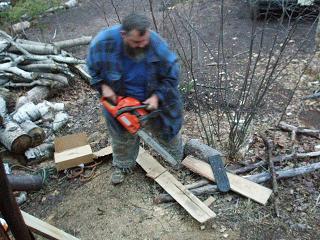
Splitting wood for the cookstove


hauling large timber for cutting into 2x4's with the Alaskan chainsaw mill


homemade hook to catch fish, worked great!

Grouse harvested with bow and arrow

Grocery shopping
Winter window view

Fresh Chicken for Supper

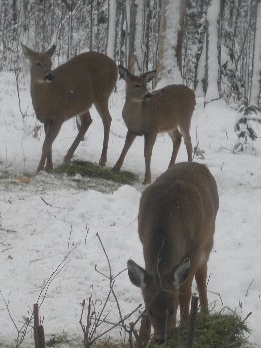
                   Deer for winter meals
Logs stacked up to be cut into boards with the alaska mill for our cabin.

Taking a break

Practicing log walking balance

Cutting firewood by hand

Fetching water

Bringing in stove wood

Hand cutting firewood

Practicing rifle safety and shooting


First squirrel hunt

Good job!
Homemade furniture

Babies are fun


Making furniture legs
Success

pair of benches


Babies are fun!

Our sons first deer with bow and arrow Good shot!
Our "pet" birds

-20f below zero, building an additional cabin in case of emergency 20 minutes building outside
1 hour thawing out inside, 20 minutes out 1 hour in....20 gallons of hot cocoa, coffee & tea!

Putting up the rafters

Splitting firewood
Bringing in a load of wood, an ongoing chore when temps are below zero
Preparing dinner by candle light
Our camper, we spend months at a time camping in all seasons

.om got lucky...lots of meat there! 250 lbs


Made it to the top

               Making wood lures and flies                                              


Leather buckskin shirt I made for my husband


2012 gameboy invades 1800's cabin - cant escape technology!


Hanging clothes in trees to keep them scent free for hunting
Our baby ducks


This pic was taken out the cabin window!
Modern wilderness living domestic turkeys do also play gameboy!


          Groceries...